The Bill Is $3,000 Higher and the Customer Is Furious: How API Providers Can Defuse a Reconciliation Crisis
When an AI API customer challenges a $3,000 discrepancy in a Telegram group, the strongest response is neither an instant apology nor a defensive pricing lecture. It is a calm, traceable reconciliation.
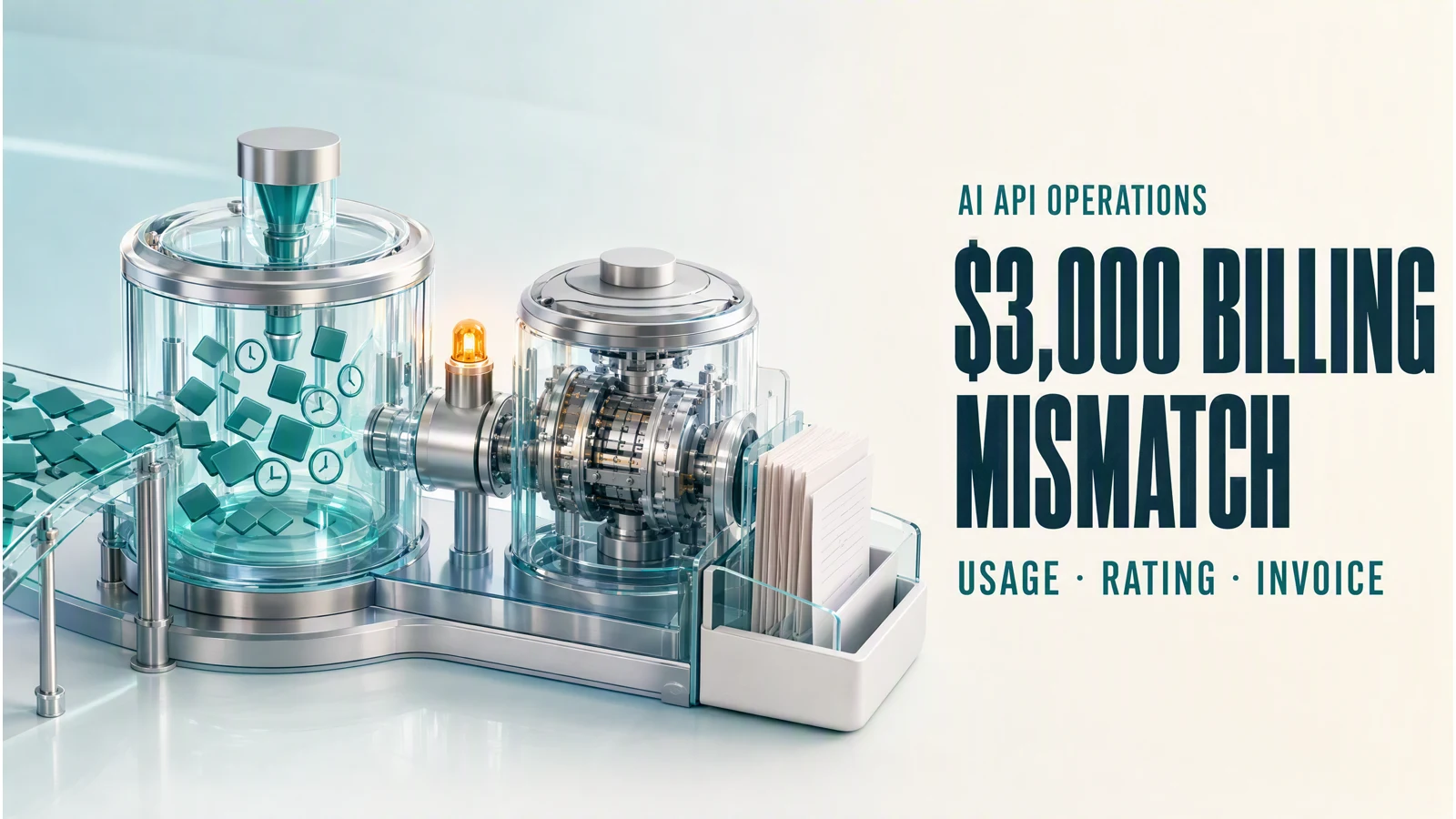
Signals to watch
- A customer publicly names a disputed amount and billing period in a Telegram group
- The discrepancy can be broken down by API key, application, model, or time period
- The customer's anger may reflect internal reporting pressure or a direct hit to a small team's cash flow
- A useful response moves the discussion from accusation to a traceable usage review
The final few days of every month are a pressure test for sales, business development, and customer-success teams at AI API relay and aggregation providers.
Then a message with real heat behind it lands in a key customer group:
The following is a representative composite scenario, not a real customer quote. “@Support, what is going on with this month’s bill? The numbers I pulled from our dashboard do not match yours. We are being charged an extra $3,000. Are you just deducting money at random? How am I supposed to explain this to finance?”
The group goes quiet for a few seconds. Then other customers who had been reading silently begin to reply: “I thought this month looked expensive too,” and “Same question—please explain.”
When a reconciliation dispute becomes public, an inexperienced rep often jumps to one of two extremes. They either apologize immediately and promise to “check the logs,” or they rush to prove the company right by pasting a wall of official pricing rules and implying that the customer must have calculated the bill incorrectly.
Both reactions can make the situation worse. The first sounds like an admission before anyone knows what happened. The second turns uncertainty into a confrontation.
Where did the extra $3,000 actually come from?
People who have worked in API distribution know that many billing discrepancies eventually lead back to the customer’s own calls, API key management, or task configuration.
The extra spend might come from a test script written by an intern that entered a loop and made tens of thousands of unnecessary requests. A former employee’s API key might still be running inside a peripheral service. Or several internal teams may be sharing one large key while nobody is watching the batch job consuming most of the budget.
But the anger behind the complaint can mean very different things, and an experienced team does not treat every customer the same way.
If the person posting is a technical lead or project manager at a large company, they may be under pressure to explain the overspend to finance and management. Making the dispute visible buys them time to investigate internally and shifts some of the pressure toward the supplier.
If the customer is a solo founder, independent developer, or small team, the same $3,000 comes directly out of their own cash flow. Their anger is not theater for an internal audience. The charge may represent half a month’s profit.
Assuming the customer is deflecting blame is dangerous. Assuming every complaint proves supplier error is equally dangerous. The strongest position is calm and evidence-led: do not pre-judge the customer, and do not pre-judge your own billing system.
How to defuse the crisis
An experienced representative will not debate formulas in the group. The better move is to turn “prove you did not overcharge us” into “let us help identify where the difference came from”—and, in the process, demonstrate real FinOps capability. FinOps means the operational discipline of making cloud and API costs visible, accountable, and controllable.
A professional response might sound like this:
“I understand why this is urgent. We will compare our platform usage records, request logs, and upstream bill over the same time window. Common causes of a difference like this include a test task that was left running or calls made through a shared key.
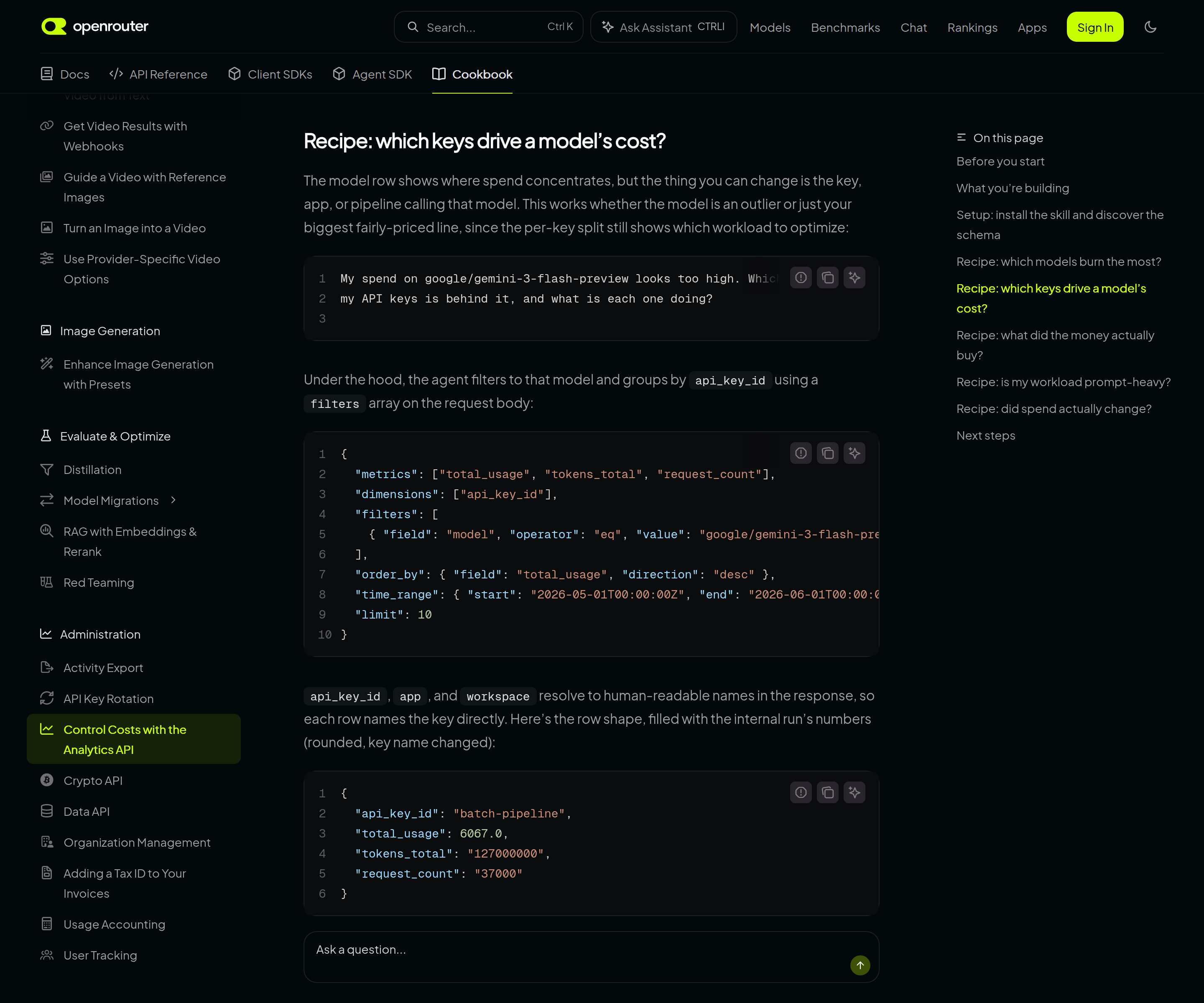
To help locate it quickly, we can export an itemized report split by API key and application label. That will show whether a particular key created a burst of traffic overnight or whether a test environment was left active. Would you like us to send that now?”
That response works for three reasons.
First, it is emotionally steady. It does not accuse the customer or fall into a defensive argument. It redirects the conversation toward an investigation.
Second, it offers something concrete: a report split by key or application. If the customer’s current dashboard shows only a monthly total, they cannot perform that analysis on their own.
Third, it solves the problem behind the complaint. A manager at a large company gets evidence they can take back to finance. A small founder gets a way to find the script consuming their own money.
In this representative scenario, the customer later sends a private message: “Found it. Operations left a crawler running. Please send me the itemized report so I can deal with it internally.”
A dispute that could have ended in cancellation becomes evidence that the provider can explain the bill when the number matters most.
Why billing transparency is a real competitive advantage
Price and provider coverage are only the starting point in a crowded AI API market. Once several vendors can supply access to GPT or Claude models, the difference between them often becomes visible on the invoice at the end of the month.
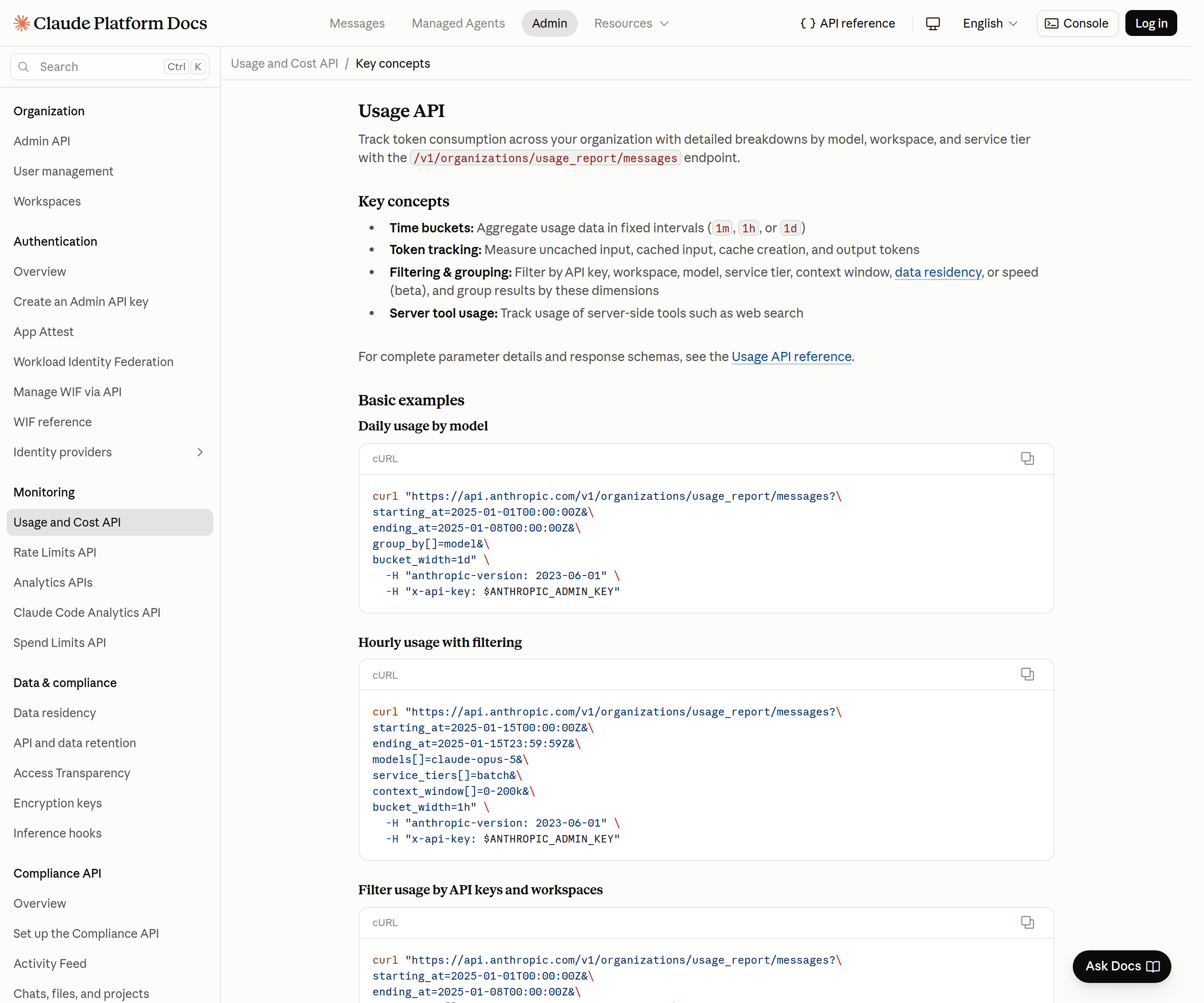
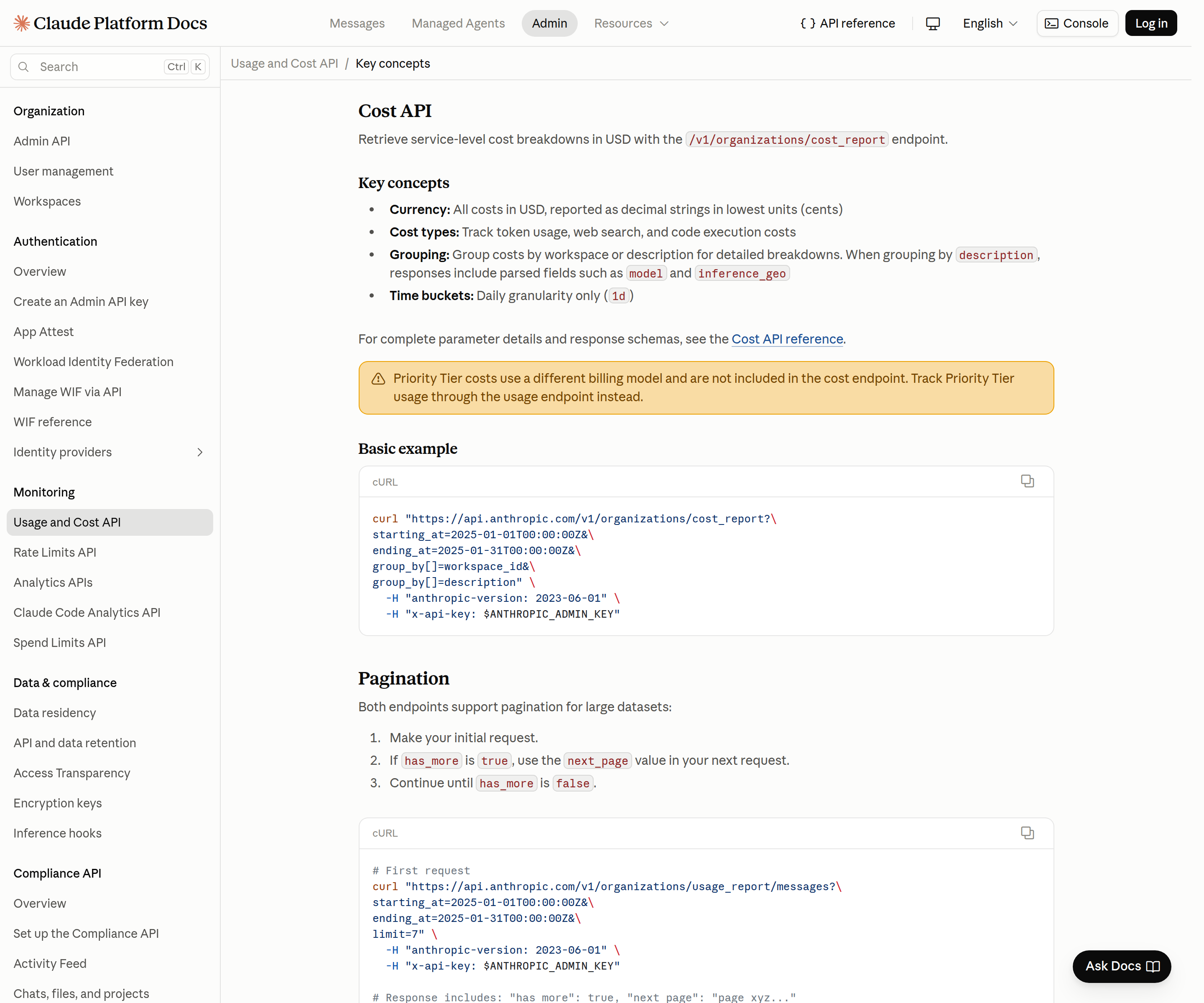
A basic provider gives the customer one cold total: “This month’s usage: $10,000.” A stronger provider can produce a FinOps report that is traceable, auditable, and easy to split:
- How much did each project spend?
- Which API key created the peak, and at what time?
- How much was spent on embeddings, and how much on completions?
When a project manager can hand that report to finance—or when a founder can use it to see exactly where the money went—the provider is no longer selling only API access. It is also reducing the customer’s management burden.
How not to miss a crisis signal in a fast-moving group
Public billing complaints demand both speed and context. In a group moving at several messages a second, a complaint that includes a specific amount and strong emotion can disappear before the account team notices it. When someone returns half an hour later and replies from memory, they can easily miss the detail that made the complaint urgent.
This is where a tool such as TOP Prospect can fit into the team’s routine.
Within Telegram groups that the user has selected and is authorized and otherwise permitted to process, TOP Prospect can surface discussions containing phrases such as “billing,” “charged extra,” or “the numbers do not match,” along with the original message, source, and nearby context. A busy representative can return to a structured list, read what the customer actually said, and decide how to respond.
The boundary matters. TOP Prospect does not participate in the conversation, reply automatically, access a customer’s billing system, or verify whether an amount is correct. It does not establish identity, authority, or permission to contact someone. Its role is to preserve a potentially important signal for human review; reconciliation and customer communication remain the team’s responsibility.
Final thought
Selling Token access is not only about supplying compute. It is also about giving customers enough clarity to explain the bill when finance asks what happened.
In an AI market full of technical uncertainty, the provider that can help a customer account for every dollar has a better chance of keeping that customer.
Frequently asked questions
Should an API provider move a public billing complaint straight to private messages?
Not immediately and not exclusively. First acknowledge the concern in the group and explain that you will provide an itemized review. Then move account-level data and sensitive details to an authorized private support channel.
Does a per-key usage report prove that the invoice is correct?
No. It helps attribute requests, but reconciliation still needs the same time zone, model identifiers, token categories, treatment of failed requests and retries, price version, discounts, credits, taxes, and rounding rules used by the invoice.
Can TOP Prospect reconcile API bills or reply to customers automatically?
No. TOP Prospect can preserve an authorized group message with its source, time, and surrounding context and bring a high-risk complaint to human review. It does not access billing systems, verify amounts, or contact customers.
When should a billing dispute be treated as a provider incident?
Keep it open as a provider incident when the amount or calculation remains unexplained, multiple accounts show the same pattern, documented prices differ from the invoice, usage records are missing, or the provider cannot reproduce the charge from auditable data.
Sources and further reading
This article is human-authored. TOP Prospect processes only Telegram groups the user has explicitly authorized and connected. Its output supports human sales judgement; it does not replace human decisions and does not automatically contact or message group members.
Market and risk discussion is supporting evidence
Top Prospect is primarily a Telegram lead-generation product. Market and risk discussion can add context to a candidate lead, but it does not become a verified incident, trend, or sales opportunity automatically.